Okay, so check this out — I used to juggle a ledger device and a phone app and it felt like carrying two different lifetimes. My instinct said: there has to be something simpler. Enter the card-style NFC hardware wallet. It’s thin, quick, and weirdly satisfying to tap. Seriously, it’s like turning crypto custody into a business card you actually want to keep in your wallet. At a glance, card wallets are physical devices that store cryptographic keys inside a secure element and use NFC to communicate with your phone. No Bluetooth pairing. No cables. Just a tap. That’s the appeal for a lot of folks. But let’s not get carried away — there are trade-offs. Below I walk through how card wallets work, what makes Tangem noteworthy, when a card wallet is a good fit, and practical tips for everyday use. Tap. Sign. Done. That’s the short story. More precisely: the card houses a secure element (think of it as a tiny bank vault chip) which generates and stores private keys. When you initiate a transaction from a mobile app, the phone sends the unsigned transaction to the card over NFC. The card signs it internally and sends the signed transaction back — the private key never leaves the card. That’s a big deal. Most attacks rely on getting access to the private key. With a true secure element, your private key is isolated in hardware. No seed phrase exported, no clipboard leaks, and no desktop malware getting cute with your keyfile. Of course, nothing is bulletproof. Hardware security is about layers: chip design, manufacturing controls, firmware updates, and user practices all matter. I’ve tried a few card wallets, and Tangem stands out for a couple of pragmatic reasons. First, the UX is remarkably simple — the onboarding flow is mobile-first, quick, and actually friendly. Second, Tangem cards are designed to be standalone: the card itself generates the key and is intended as the single source of truth. Third, there’s built-in anti-tamper and secure element tech that matters in the field. If you want to look further, check out tangem — they have helpful product info and specs. I’m biased, but the product design leans toward people who want practical minimalism rather than DIY maximal control. Here are the use cases where card wallets shine: When they’re less ideal: active traders, those needing programmable multisig setups without third-party firmware, or folks who need advanced developer-level integrations. Also — and this matters — if you want to export a seed phrase and copy it around, card-first wallets intentionally make that harder. That’s by design. Initially I thought card wallets were just strictly safer. Actually, wait — let me rephrase that: they reduce certain risks but introduce others. On one hand, a sealed secure element reduces key-exfiltration attacks. On the other hand, if you lose the physical card and haven’t set up a robust backup plan, recovery becomes painful. My recommendation: treat the card like a metal-backed safety deposit key. Store a backup card in a second safe location, or use a different recovery mechanism supported by the vendor. Don’t photograph the card or store private data in your cloud. Also — and this part bugs me — be cautious with third-party mobile apps that claim to add features; they can add attack surface. Here are a few practical things I learned after a month of real use: Buy from reputable sources only. Tangem cards and similar products are security hardware: the supply chain matters. If someone hands you a sealed card on a street corner, that’s a red flag. Verify tamper seals, check device IDs in the official app, and if your provider offers a provenance certificate, that’s a nice bonus. “What about multisig?” — You can do multisig, but card wallets are often single-key devices. For serious multisig setups, you’ll want multiple distinct hardware devices or a specialist multisig provider. “Isn’t NFC insecure?” — NFC itself is a short-range protocol; physical proximity is a limit. The bigger concerns are endpoint security (your phone) and supply-chain attacks on the card. With a secure element, NFC is just a transport layer for the signing command, and it’s reasonably safe when you follow good practices. No—NFC requires close proximity and typically an active tap to initiate a transaction. Also, cards like Tangem require physical card presence and user confirmation via the phone app, which reduces silent skimming risk. Many card wallets are seedless by design: the key is created and stored on the card. That changes backup strategy. You might use a duplicate card, a manufacturer-backed recovery, or a separate recovery mechanism. Each approach has pros and cons. If the card is physically destroyed and you have no backup, the private key is lost. That’s why redundancy is crucial. Keep a backup card in a different secure location.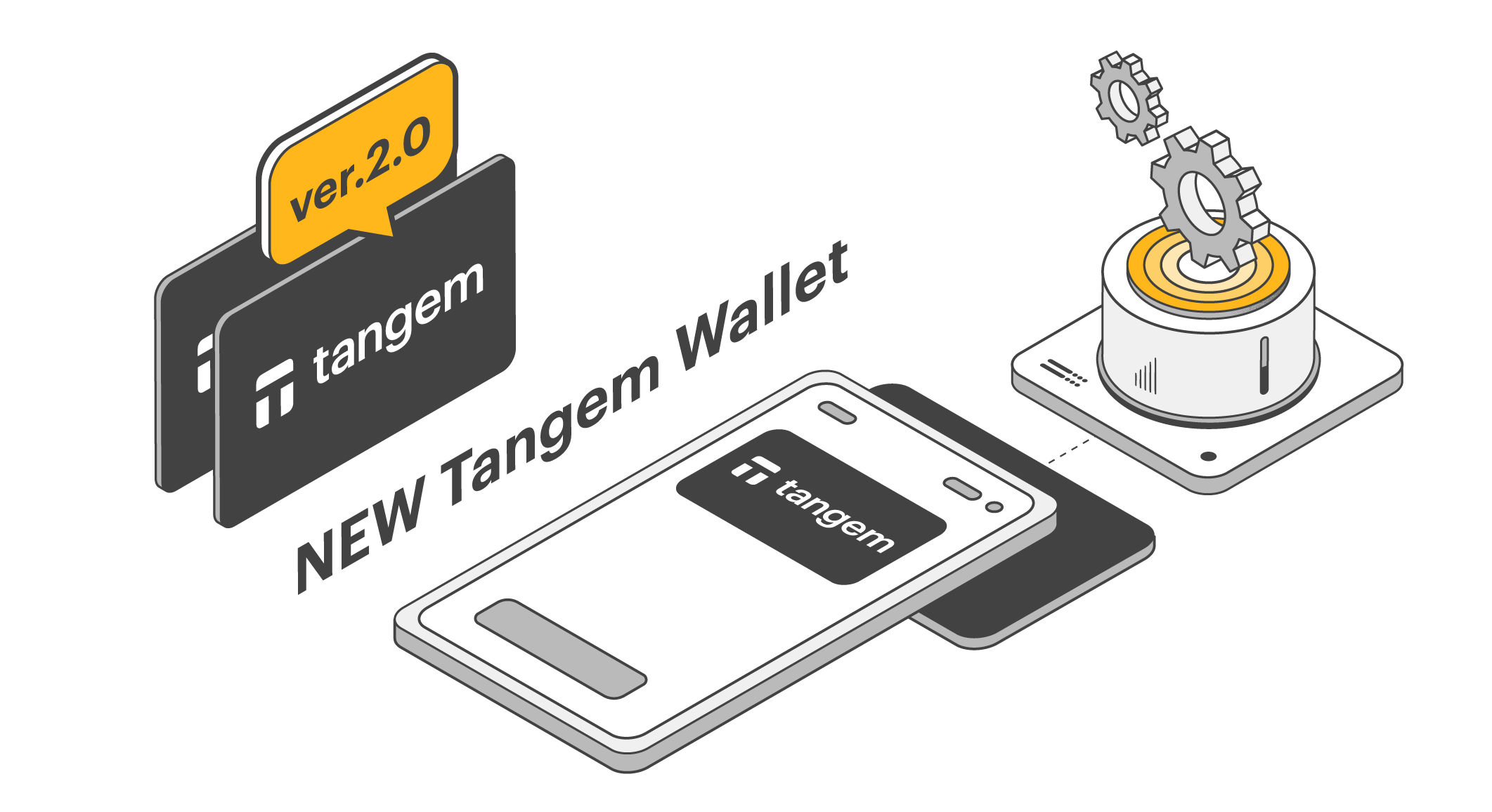
How NFC card wallets work — the simple version
What makes Tangem different
When a Tangem-like NFC card wallet makes sense
Security trade-offs and practical risks
Day-to-day tips — what I wish I’d known
Buying and verifying — don’t skip this
Common objections and my take
FAQ
Can someone skim my card over NFC without my knowledge?
Do I need a seed phrase?
What happens if the card is damaged?